- Thomas brings 25+ years’ experience in leadership positions across early drug development, commercialisation and life cycle management.
- Previously CEO at Cimeio Therapeutics and former Global Haematology Franchise Head at Roche-Genentech.
- He holds an MBA from the Kellogg School of Management at Northwestern University and a Bachelor of Science in Business Administration from the University of Wisconsin-Stout.
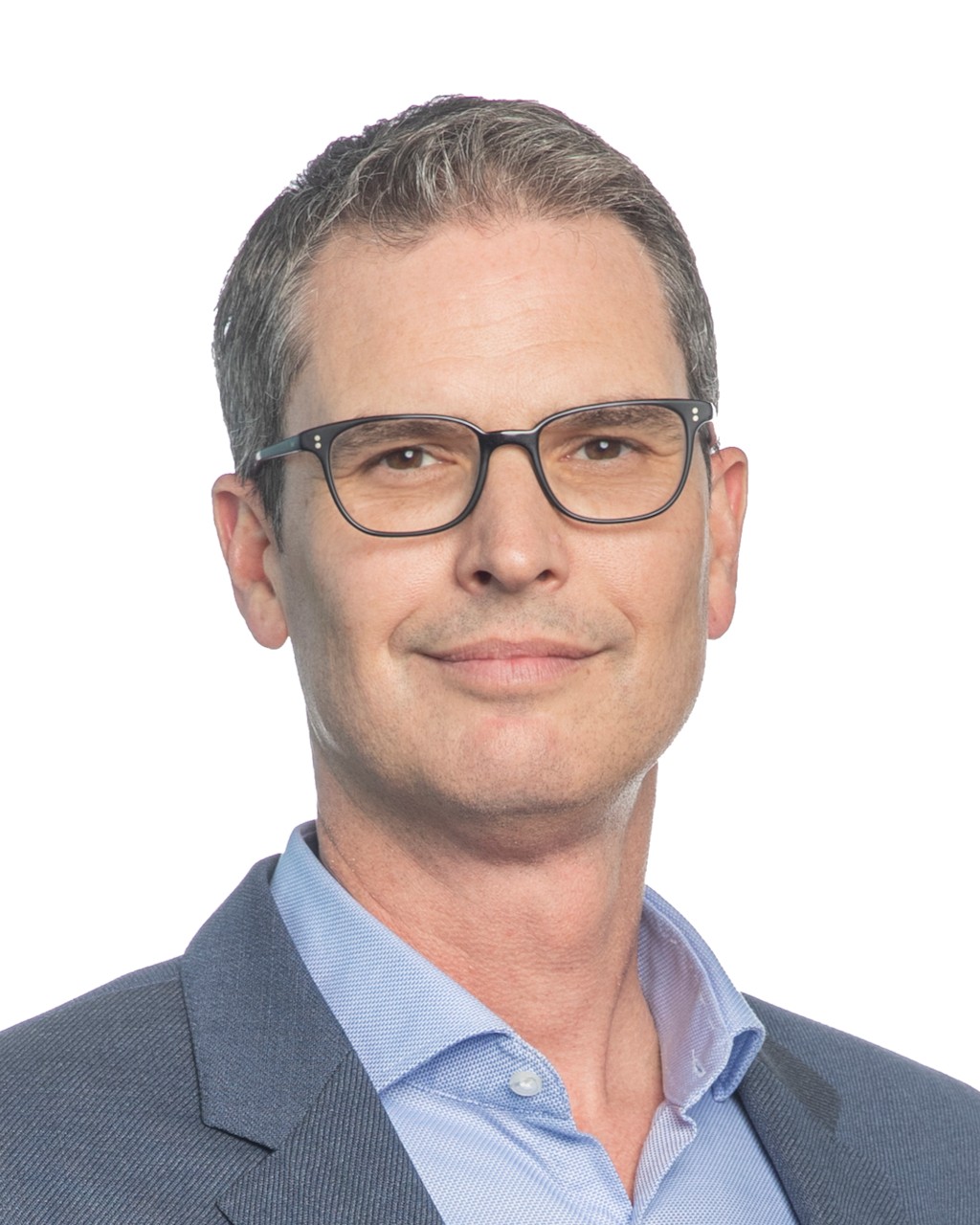
ThomasFuchs
CEO

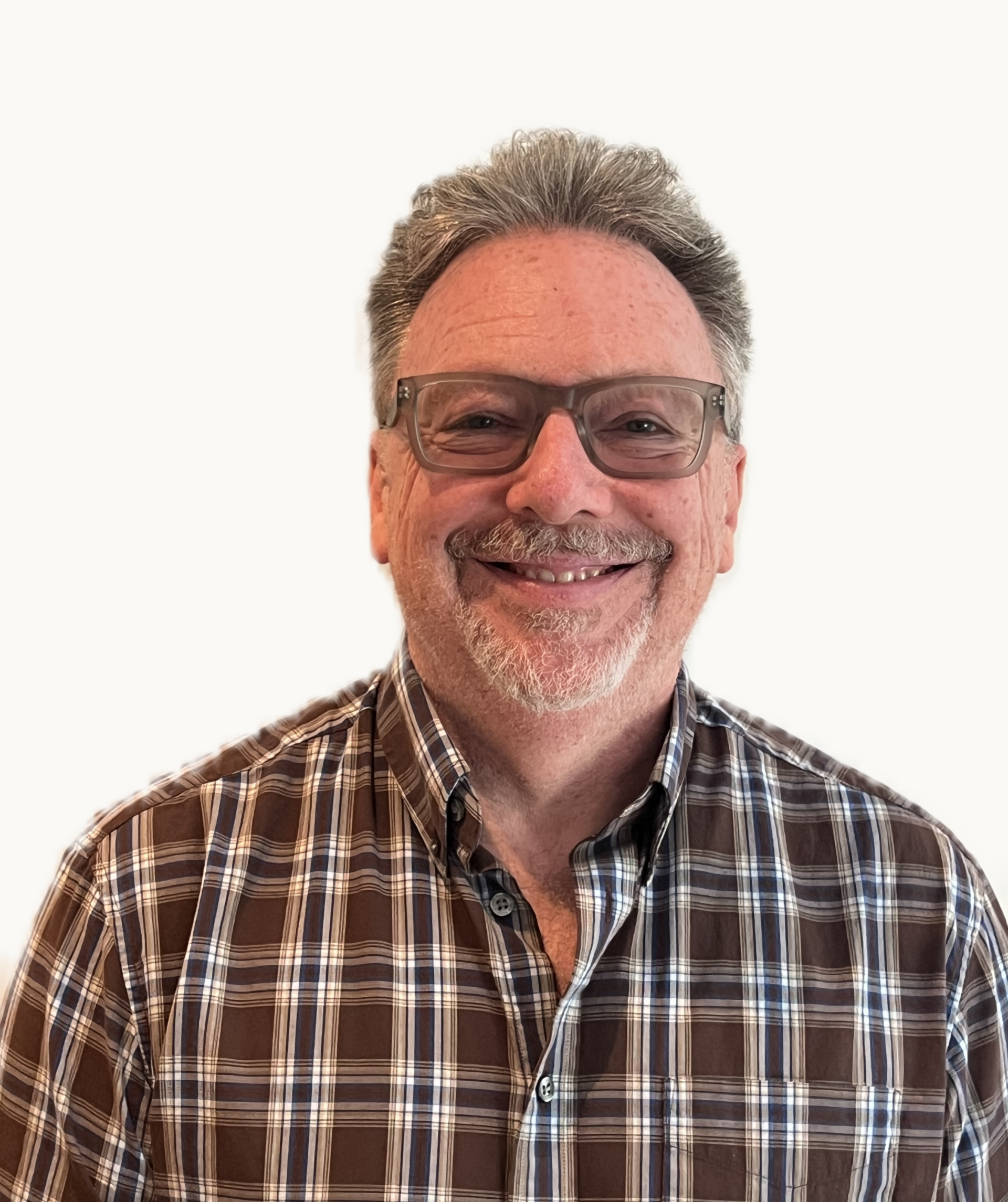
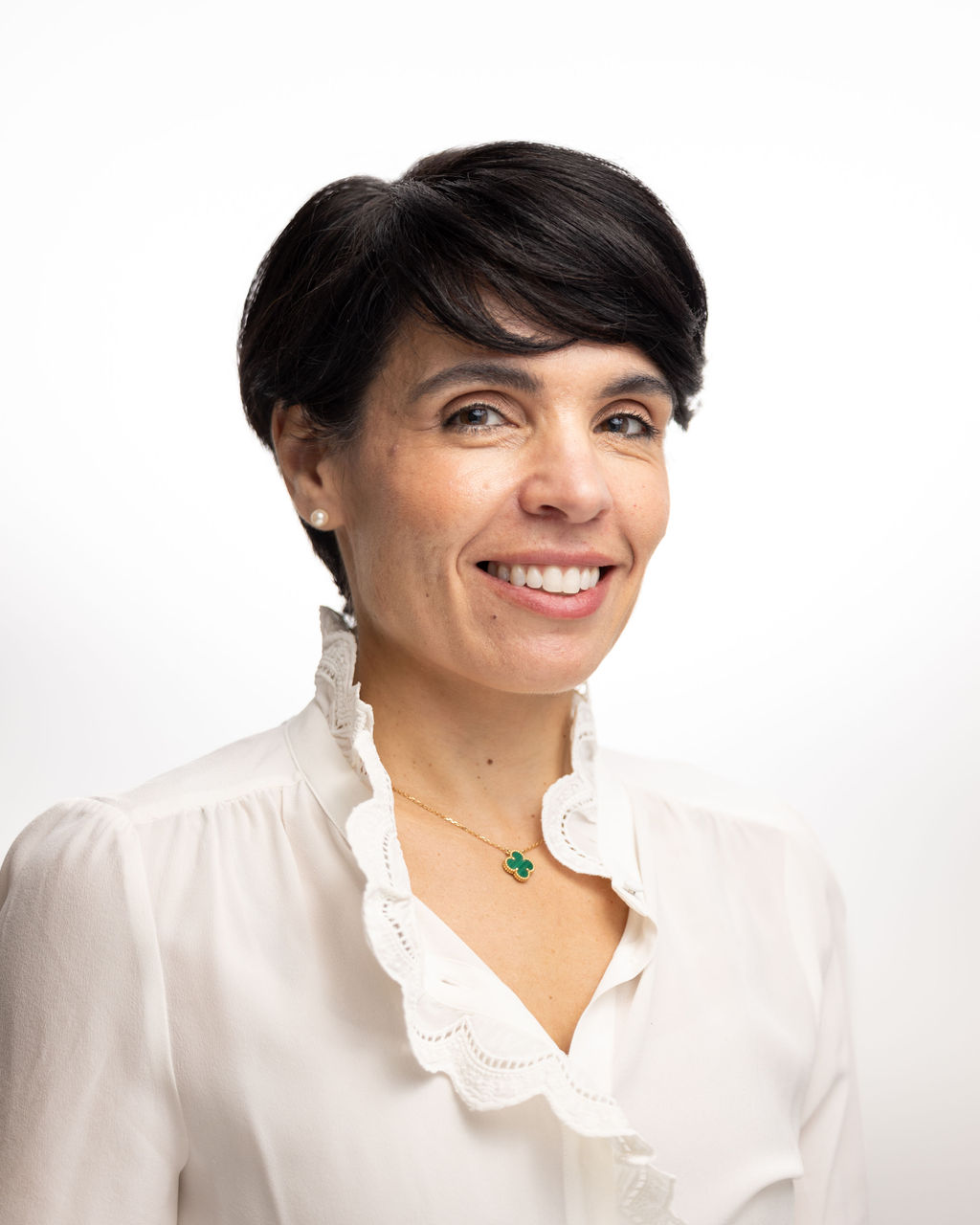
SamanthaVieira
OPERATIONS
- Samantha brings 20+ years industry experience, primarily in Biotech, having led cross-functional product development, program management, operations & organisational scaling spanning multiple therapeutics areas
- Former COO at Anjarium Biosciences, Executive Director, Global Product Development and Commercial Lead at Biogen and VP, Programme Management at Nightstar Therapeutics
- She holds an EMBA from Henley Business School and a BSc (Hons) in Physiology from the University of the Witwatersrand, South Africa
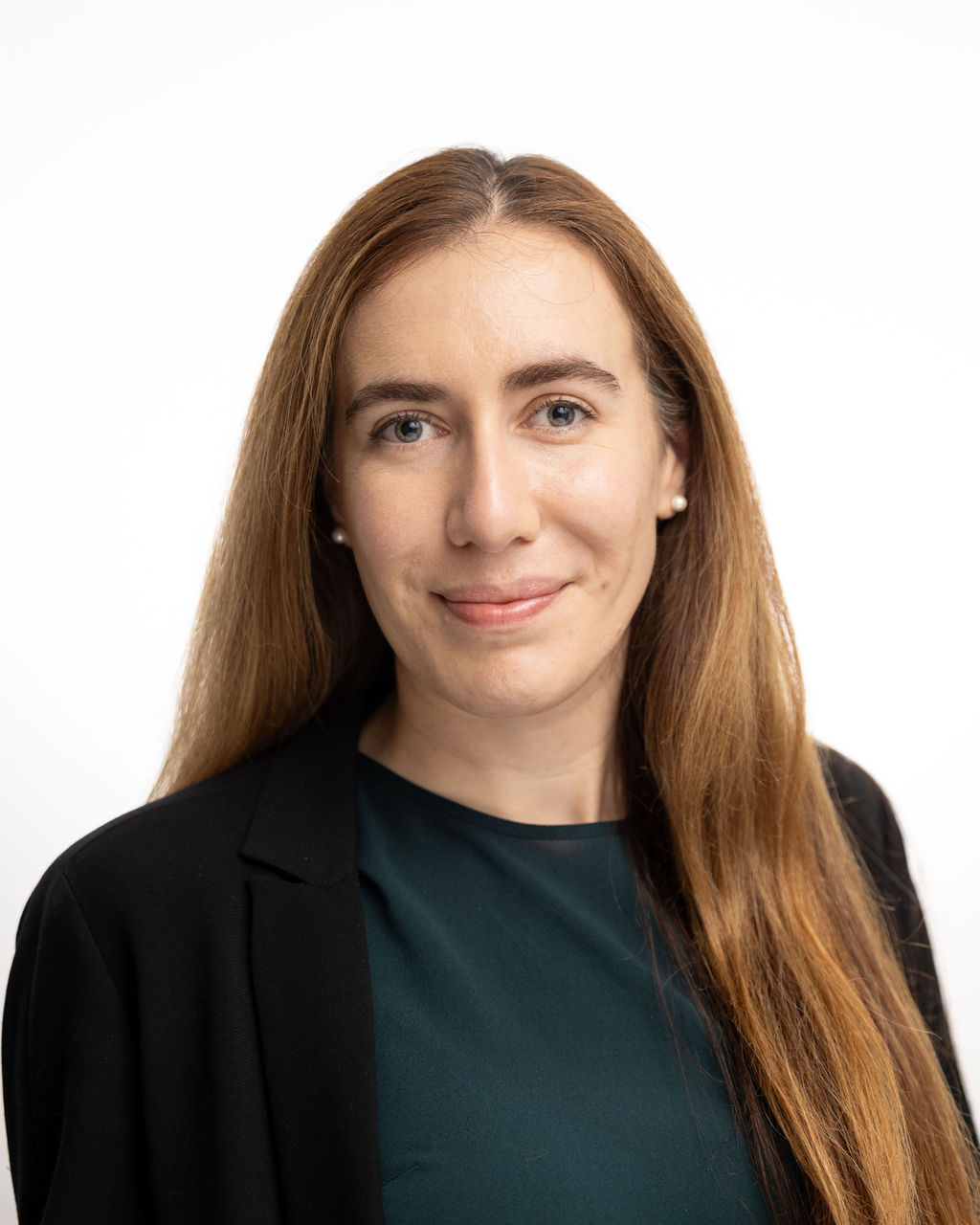
SabrinaStewart
STRATEGY
- Sabrina brings 15 years' experience in the life sciences to Mosaic across academia, consulting and industry
- She previously spent 8+ years as a strategy consultant to the biopharma industry, working on development and commercialisation programs across the full product value chain
- Previously an Associate Principal at Blue Matter Consulting, with particular expertise in new product planning, opportunity assessments, forecasting, and competitive intelligence for early-stage oncology & rare disease development programs
- She holds an MA in Natural Sciences from the University of Cambridge and a PhD in Molecular Biology from University College London
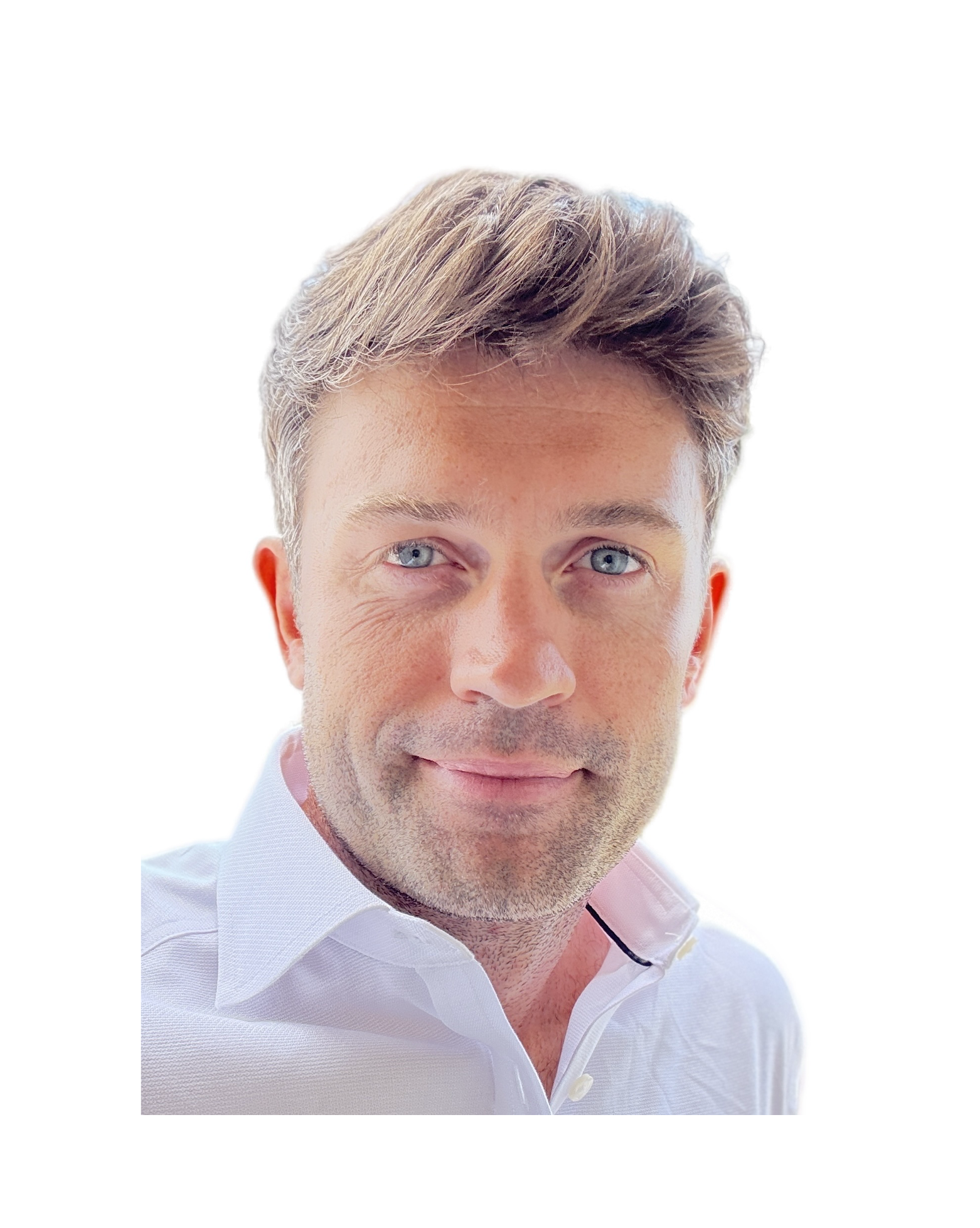
SamQuinn
FINANCE
- Sam brings 15 years' experience in the accountancy profession, including a decade with the ‘Big-4' in the UK, working across capital market transactions on both US and UK markets.
- Previously Executive Director of Finance at Replay Bio, a VC-backed gene therapy biotech company based in San Diego.
- He holds a BSc from Durham University and is a Fellow Chartered Accountant (FCA) with the ICAEW.
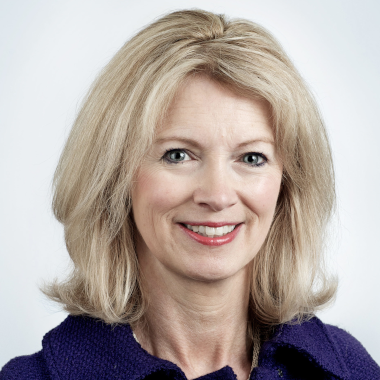
AllisonJeynes
BOARD CHAIR
- Allison brings three decades of drug development, board and executive leadership experience to Mosaic
- Most recently CEO of Avillion, a clinical development company, which she founded and led for 13 years, achieving a 100% success rate from Phase 3 development to FDA approval across multiple programs
- Across her career she has contributed to 20 drug approvals, engaging with the FDA, MHRA and EMA, and has previously held senior positions at Wyeth, Bristol Myers Squibb and Novartis
- A UK-trained oncologist, Allison obtained an MB ChB from the University of Sheffield and began her clinical career at the Royal Marsden Hospital, UK

EdHodgkin
NON-EXECUTIVE DIRECTOR
- Ed was previously the first CEO and a board member of Autolus Therapeutics (NASDAQ:AUTL), and the former CEO of Resolution Therapeutics.
- Within the Syncona life science team, Ed is involved in creation of new businesses and then fills executive roles within those companies to make them operational.
- Ed was previously CEO of Biotica Ltd (Cambridge, UK), President & Chief Business Officer of BrainCells Inc (San Diego, CA), and VP, Business Development & Marketing at Tripos Inc (St Louis, MO).
- Ed holds a degree and DPhil in Chemistry from the University of Oxford, and is a former Chairman of the BIA, the UK’s trade association for innovative life science companies.
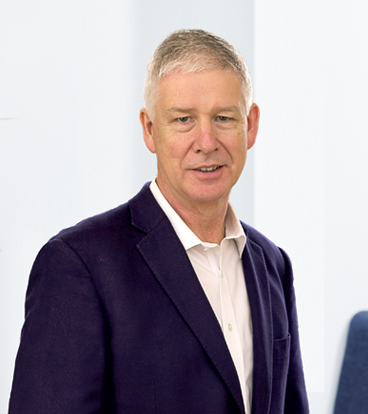
RichardWooster
NON-EXECUTIVE DIRECTOR
-
Richard is currently Executive Partner at Syncona, and has over 30 years’ leadership experience across cancer genomics, drug discovery and development in both academia and industry
-
Previously CSO at several oncology biotech companies including Slingshot Therapeutics, Translate Bio, and Tarveda Therapeutics, and former Vice President and Discovery Performance Unit Head in Oncology at GlaxoSmithKline.
-
Richard began his career at the Institute of Cancer Research where he discovered the BRCA2 gene, and as a founder of the Cancer Genome Project at the Wellcome Trust Sanger Institute where mutations in BRAF were first discovered
-
Richard holds a PhD from the University of Dundee and has co-authored over 100 publications, book chapters, and patents
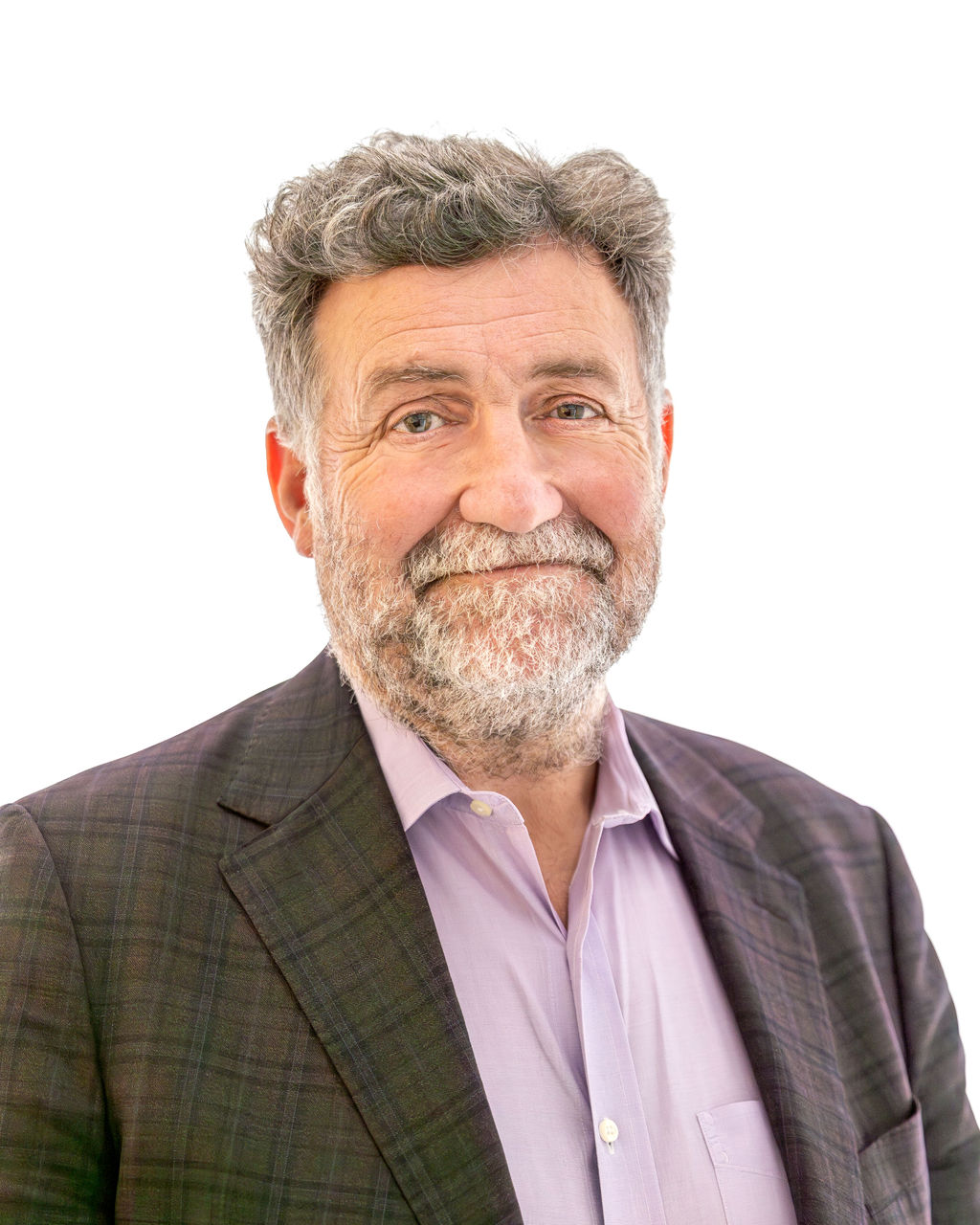
LaurenceReid
Non-Executive Director
- Laurence is a highly experienced biotech entrepreneur and leader, currently serving as advisor and board member to companies moving through growth phases, strategic inflections, and other formative stages
- Laurence was previously CEO, President and a Board member at Decibel Therapeutics, leading the company through IPO in 2021 and a 2023 acquisition by Regeneron
- Other roles have included: CEO of Warp Drive Bio (2018 merger with Revolution Medicines), former entrepreneur in residence at Third Rock Ventures (including CEO roles in portfolio companies), and CBO at Alnylam Pharmaceuticals
- Laurence holds a PhD in Biochemistry from the University of London, and BA in Natural Sciences from Cambridge University

MathewGarnett
CO-FOUNDER
- Mathew is a Senior Group Leader at the Wellcome Sanger Institute, and has over 20 years’ experience in genomics and cancer therapeutics.
- Mathew is the Sanger Scientific Lead for Open Targets, which aims to use genome-scale experiments and analysis to evaluate new therapeutic targets.
- Mathew performs CRISPR-Cas9 genetic screens in cancer cells to identify new drug targets, which led to the discovery of Werner Syndrome helicase as a synthetic-lethal target in microsatellite unstable cancers. He is also the developer of leading, widely-used cancer therapeutics resources including DepMap and GDSC.
- Mathew completed his PhD in 2005 in the laboratory of Richard Marais at The Institute of Cancer Research (London, UK), where he was involved in the discovery and characterisation of BRAF as a human cancer gene.

EmileVoest
Co-Founder
- Emile is a professor of medical oncology and Senior Group Leader at the Netherlands Cancer Institute and Oncode Institute.
- Emile is a former Chairman of the board of Cancer Core Europe, a collaboration of 7 excellent comprehensive cancer centres.
- Emile is the founder of multiple precision medicine programs, and is a global leader in translational research with an emphasis on genetics, tumour organoids and immunology.
- Until 2021, Emile served as executive medical director of the Netherlands Cancer Institute. He is also an independent, non-executive board member of Sanofi, is co-founder and serves on the non-executive board of the Hartwig Medical Foundation.